
The U.S. has temporarily approved Iranian oil sales as peace talks with Tehran gain momentum. Learn how the agreement could impact global oil prices, sanctions, energy markets, and U.S.-Iran relations.
In a major diplomatic development, the United States has temporarily authorized the sale of Iranian oil as negotiations between Washington and Tehran continue to move forward. The decision marks a significant shift in relations between the two countries and could have far-reaching effects on global energy markets.
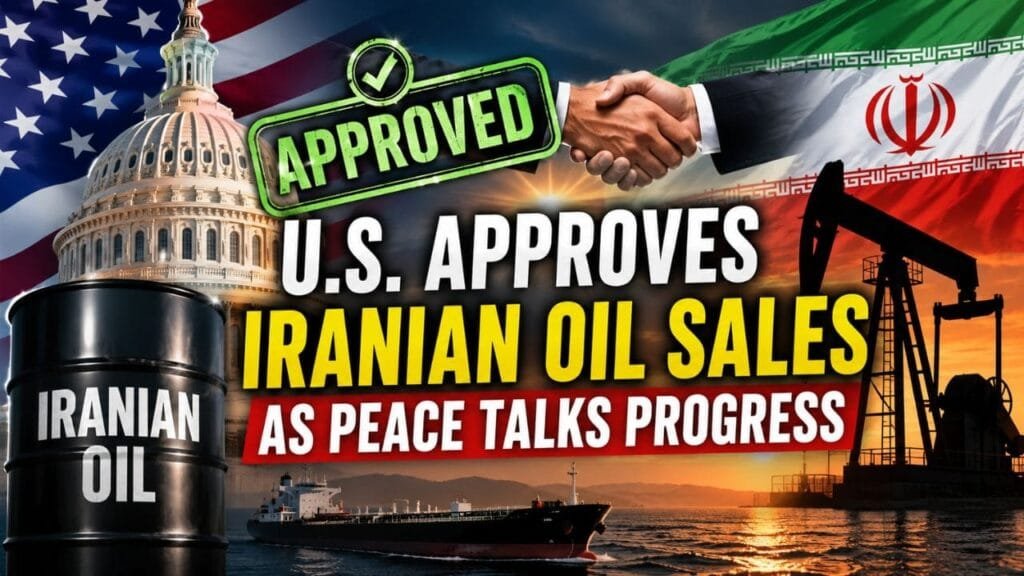
The U.S. Treasury Department announced Monday that it has issued a 60-day general license allowing the production, sale, and transportation of Iranian crude oil, petroleum products, and petrochemicals through August 21. The move comes as both nations work toward a final peace agreement following months of heightened tensions.
According to U.S. officials, the temporary authorization is tied to commitments made by Iran during recent negotiations. Those commitments include keeping the Strait of Hormuz open to international shipping and allowing inspectors from the International Atomic Energy Agency (IAEA) to continue monitoring the country’s nuclear facilities.
Table of Contents
Treasury Secretary Scott Bessent said the license reflects the progress made during talks held in Switzerland and is part of a broader effort to support diplomatic solutions rather than continued confrontation.
A Rare Change in U.S. Policy
For decades, Iranian oil exports have faced strict U.S. sanctions. The latest decision represents one of the most notable policy changes in recent years, although officials emphasized that the authorization is temporary and linked directly to ongoing peace discussions.
The license allows businesses involved in approved transactions to handle the sale, delivery, insurance, transportation, and financial processing of Iranian oil. It also permits payments to be made in U.S. dollar-denominated funds under specific conditions.
Get the latest AI news, technology updates, tutorials, and in-depth analysis delivered directly to your screen.
▶ Subscribe on YouTubeIn some cases, Iranian oil may enter the United States if necessary to complete authorized transactions, something that has rarely happened since sanctions were first imposed after Iran’s 1979 revolution.
Longstanding Tensions Between Washington and Tehran
Relations between the United States and Iran have remained strained for more than four decades. Following the 1979 hostage crisis at the U.S. Embassy in Tehran, Washington introduced a series of economic sanctions that expanded over time due to concerns about Iran’s nuclear activities and regional influence.
Despite those restrictions, Iran continued exporting oil to several countries. In recent years, independent Chinese refineries have become some of the largest buyers of Iranian crude, often purchasing shipments at discounted prices. Before sanctions were tightened again in 2018, major importers included India, Japan, South Korea, Turkey, Italy, Greece, and Taiwan.
Peace Talks Bring New Optimism
Diplomatic mediators described the latest round of negotiations as encouraging, saying both sides made meaningful progress toward a long-term agreement.
The discussions follow a memorandum of understanding signed last week that extended a fragile ceasefire for at least another 60 days. Officials hope the extension will create enough time to negotiate a broader settlement and reduce the risk of renewed conflict.
While major differences remain, the willingness of both governments to continue talks has raised hopes that a more stable relationship could eventually emerge.
Oil Markets React Positively
Energy markets have been closely watching developments between the United States and Iran. Earlier this year, concerns over disruptions in the Strait of Hormuz contributed to rising oil prices and uncertainty across global markets.
However, signs of diplomatic progress have eased some of those fears. Analysts say the possibility of additional Iranian oil reaching international markets could help improve supply levels and reduce pressure on prices if negotiations continue successfully.
What Happens Next?
The temporary license is only the first step, and much will depend on the outcome of the ongoing talks. If both sides can reach a final agreement, it could reshape U.S.-Iran relations and influence global energy markets for years to come.
For now, investors, policymakers, and energy companies around the world will be watching closely as negotiations continue and both countries attempt to turn a temporary breakthrough into a lasting peace deal.
Get the latest AI news, technology updates, tutorials, and in-depth analysis delivered directly to your screen.
▶ Subscribe on YouTube🔔 Connect With Us
Stay updated with the latest Update,
👉 Join us on WhatsApp – Link
👉 Join our Telegram Channel – Link
👉 Follow us on X (Twitter) – Link
👉 Follow us on Instagram – Link
👉 Like our Facebook Page – Link
👉 Follow us on Threads – Link
📩 Contact & Support
Have questions, feedback, support requests, collaborations, or business opportunities?
Feel free to reach out:
📧 Business Inquiries: contact@easylearnguide.com
📧 Support & General Assistance: support@easylearnguide.com
Frequently Asked Questions (FAQs)
1. Why did the United States allow Iranian oil sales in 2026?
The United States temporarily approved Iranian oil sales to support ongoing peace negotiations with Tehran. The 60-day authorization is tied to Iran’s commitments, including keeping the Strait of Hormuz open and allowing nuclear inspections, signaling progress toward a diplomatic agreement.
2. How will Iranian oil exports impact global oil prices?
Increased Iranian oil supply could help stabilize or lower global oil prices by easing supply constraints. Markets often react positively to higher supply, especially during geopolitical tensions affecting key shipping routes like the Strait of Hormuz.
3. What is the 60-day U.S. Treasury license for Iranian oil?
The U.S. Treasury issued a temporary general license allowing the production, sale, transport, and financial processing of Iranian oil and petrochemicals. The license is valid through August 21 and supports diplomatic efforts with Iran.
4. Can Iranian oil be imported into the United States?
Yes, under specific conditions outlined in the temporary license, Iranian oil may enter the U.S. if necessary to complete authorized transactions. This is a rare exception given longstanding sanctions.
5. What role does the Strait of Hormuz play in U.S.-Iran negotiations?
The Strait of Hormuz is a critical global oil shipping route. Iran’s commitment to keeping it open is a key condition in the agreement, helping ensure stable energy supply and reducing geopolitical risks.
6. How have U.S.-Iran relations affected global energy markets?
Tensions between the U.S. and Iran have historically disrupted oil supply expectations, often driving price volatility. Improved relations and reduced sanctions could lead to more stable markets and increased global supply.
7. What could happen after the 60-day Iranian oil agreement ends?
If negotiations succeed, the temporary authorization could evolve into a long-term agreement, potentially lifting sanctions and reshaping global energy markets. If talks fail, restrictions may be reinstated, increasing uncertainty.
You May Also Like –
5 AI Predictions for 2030 That Could Change the Future Forever
Jeff Bezos Says AI Will Create a Labor Shortage, Not Replace Human Workers
Tech Workers Are Cutting Back on AI After Reaching Peak Usage: Here’s Why
Jeff Bezos-Backed Prometheus Raises $12 Billion to Build an Artificial General Engineer
Scientists Created a Fake Disease to Test AI – Then Chatbots Claimed It Was Real
China Unveils $295 Billion AI Investment Plan to Power Nationwide Artificial Intelligence Expansion
AI Startup Probably Raises $9M to Build More Reliable Artificial Intelligence